
The Jamaa Birth Village Cultural Heritage Center
Executive Leadership
Executive Leadership
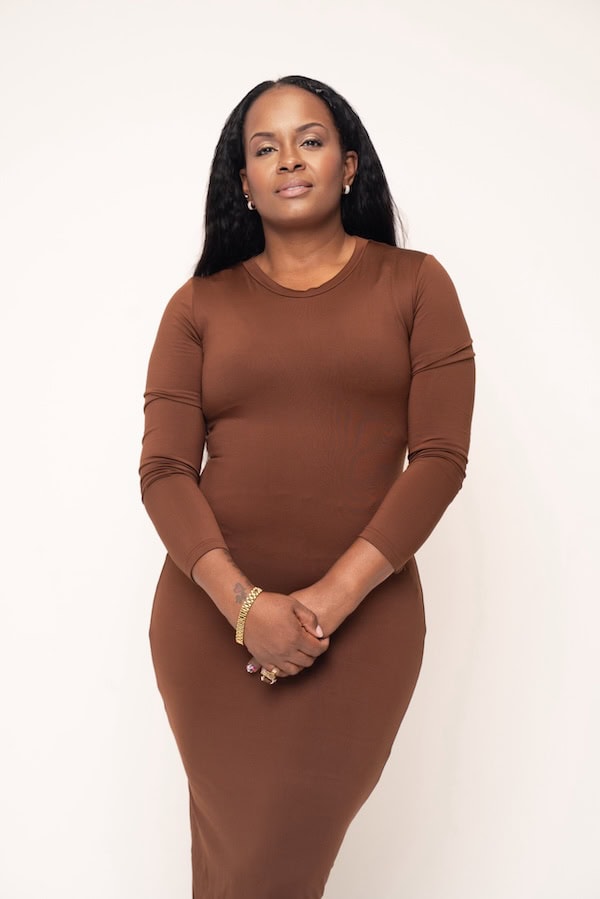
Qiana Lewis
Executive Leader & President
Director of Operations & Cultural Stewardship
Qiana Lewis is a nationally recognized reproductive justice leader, full-spectrum doula, healer, and movement strategist whose life’s work is rooted in the liberation, health, and well-being of Black people unapologetically and without compromise.
Born and raised in St. Louis, Missouri, Qiana’s journey into birth work began at just 15 years old, when she supported her family member. What began as instinctive care grew into a lifelong calling. For decades, she has held space across the full spectrum of reproductive experiences.
With over two decades of experience spanning healthcare systems, marketing, and community-based care, Qiana brings a rare combination of executive leadership and grassroots grounding.
Having been a supporter of Jamaa Birth Village since its inception, Qiana now serves as Director of Operations and Cultural Stewardship, where she is honored to lead and steward the organization into its next chapter of growth, impact, and sustainability.
Her return home to St. Louis is both personal and political, an intentional yes and amen to her city, her roots, and her responsibility to the community that first shaped her life.
Qiana Lewis is a nationally recognized reproductive justice leader, full-spectrum doula, healer, and movement strategist whose life’s work is rooted in the liberation, health, and well-being of Black people unapologetically and without compromise.
Born and raised in St. Louis, Missouri, Qiana’s journey into birth work began at just 15 years old when she supported a family member. What began as instinctive care grew into a lifelong calling. For decades, she has held space across the full spectrum of reproductive experiences.
Now based in Dallas, Texas, where she has lived and worked for over 17 years, Qiana’s work bridges cities, communities, and movements, remaining deeply connected to her St. Louis roots while building and leading transformative work across the South and beyond. Her work has expanded from community-based support to national and international leadership, where she has helped shape birth justice programs, strategy, and movement infrastructure that center the most marginalized communities.
Qiana has written and contributed to policy at local, state, and national levels and has engaged in global human rights advocacy, including contributing to conversations at the United Nations to hold the United States accountable for human rights violations impacting Black women and marginalized communities. Her work ensures that reproductive justice is recognized not just as a framework, but as a human rights imperative.
Qiana is the co-founder and past president of the Texas Doula Association, where she helped shape statewide conversations around doula care, policy, and standards. She is also the founder of The Holy H.O.E. Institute, a reproductive justice sanctuary and community aid fund based in Dallas, Texas, committed to providing direct support. She currently serves as Co-Chair of the NNAF, contributing to national strategy and movement alignment.
With over two decades of experience spanning healthcare systems, marketing, and community-based care, Qiana brings a rare combination of executive leadership and grassroots grounding. Her earlier career in healthcare, hospice, home health, and insurance equipped her with deep knowledge of institutional systems. A trained doula through DONA International, Ancient Song Doula Services, and MotherTree, Qiana is also a childbirth educator, end-of-life doula, yoga instructor, and root worker.
Her practice is informed by her formal education, holding a bachelor’s degree in psychology and a master’s degree in counseling, alongside ancestral, spiritual, and community-based ways of knowing. She understands that healing is clinical, spiritual, sacred, individual, and collective. Her work lives at the intersections of reproductive justice, racial justice, maternal health, healing, and community power. She is a mother, a grandmother, and a woman whose lived experiences shape how she shows up in this work.
Her return home to St. Louis is both personal and political, an intentional yes and amen to her city, her roots, and her responsibility to the community that first shaped her life. Having been a supporter of Jamaa Birth Village since its inception, Qiana now serves as Director of Operations and Cultural Stewardship, where she is honored to lead and steward the organization into its next chapter of growth, impact, and sustainability.
She believes in our collective liberation. She believes in our right to sacred birthing experiences, ones rooted not in survival but in joy, dignity, and care. She believes that none of us get free alone and that our ancestral practices must be deeply embedded in our future liberation.
Qiana’s work is guided by a simple but unwavering truth: we deserve to live, birth, love, and thrive in dignity, safety, and power, and she is dedicated to making that vision real.
MEET OUR BOARD of Directors
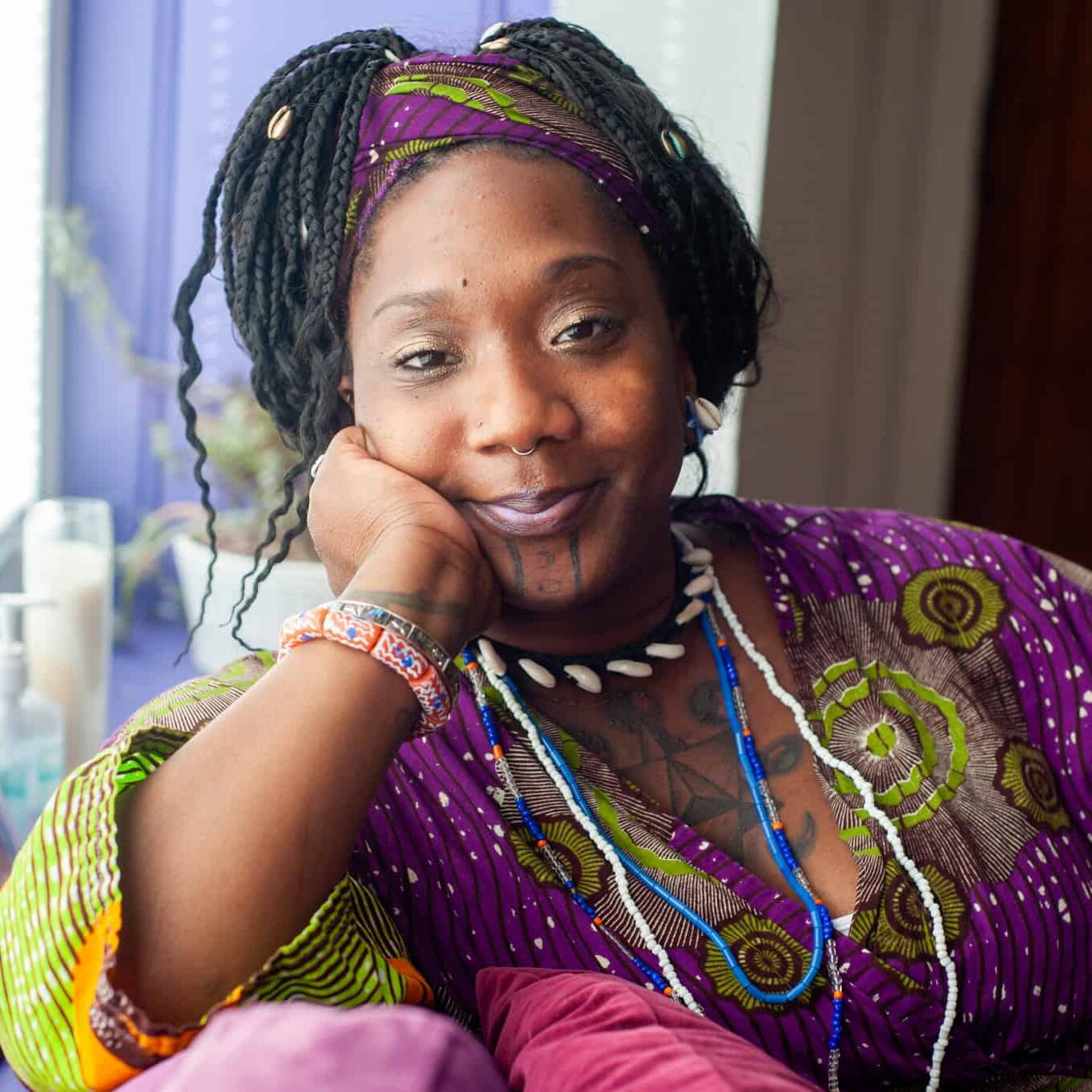
Okunsola M. Amadou
Folk Midwife™ & Birth Priestess™, CPM (R), CLC, CD
BOARD PRESIDENT Emeritus
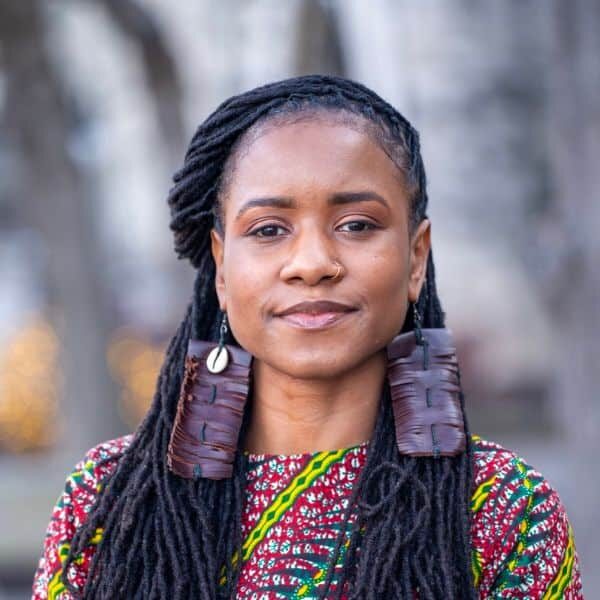
Sandra M. Thornhill
MPA, Womb Warrior, Policy Griot & Social Justice Doula
BOARD VICE PRESIDENT

Joy Korley
MPH, L & D Nurse, Doula
BOARD SECRETARY
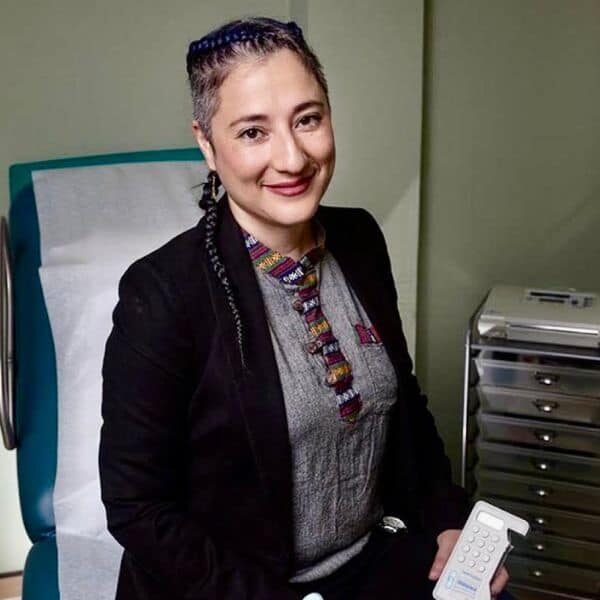
patricia Garcia
CPM & LM
BOARD TREASURER
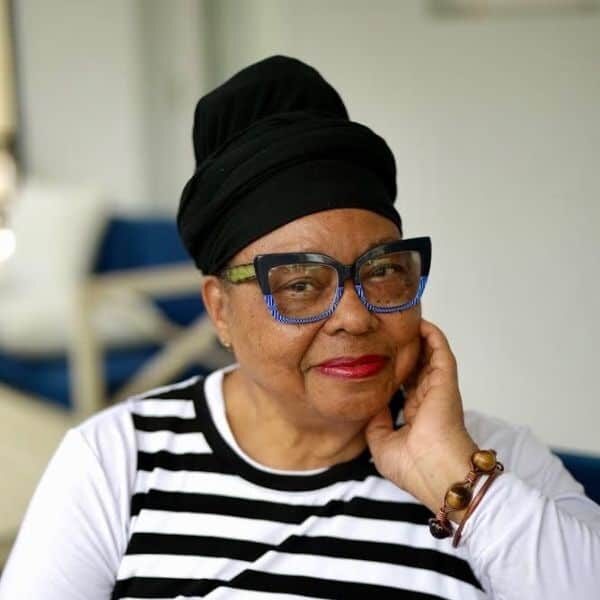
UmmSalammah Abdullah-Zaimah
CPM & RETIRED CNM
BOARD MEMBER
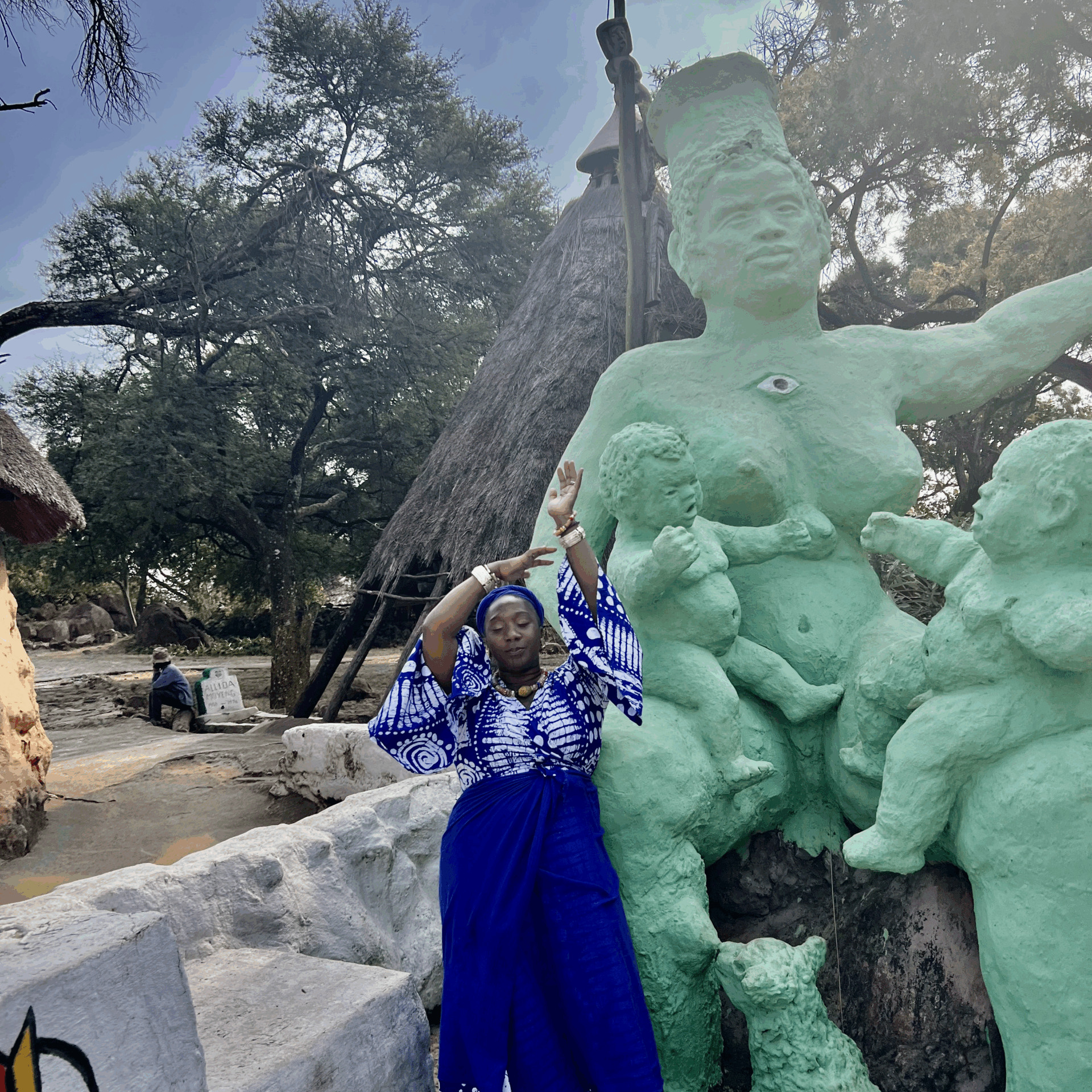
OKUNSOLA M. AMADOU
Founder | President & CEO Emeritus
Brittany L. Conteh, professionally known as Okunsola M. Amadou, is the Founder & CEO Emeritus of Jamaa Birth Village, which was founded in 2015, in Ferguson, MO. Now Okunsola is a 24x time award winning Black Maternal Health pioneer, recognized in Missouri as the First Black Certified Professional Midwife and First Black Registered CPM Preceptor through the North American Registry of Midwives. A graduate of the Midwives College of Utah and the University of Iowa Museum Studies Program, Okunsola sustains the vision behind the Historic Jamaa Birth Village Cultural Heritage Center and the African Indigenous Midwifery Museum & African Indigenous Midwifery Library & Research Institute, located in Ferguson, MO.